


Mint Hospital's robotic surgery is based on high-resolution precision MRI diagnosis.
We present high-quality surgeries utilizing Da Vinci technology.
Mint Hospital · Da Vinci Surgical System
Mint Hospital
Da Vinci robotic surgery
10 ~ 15
×
HD Camera
3
D
3D Vision
540
°
Flexible Joint
1 ~ 2
cm
Minimal Incision
20
Years
Expert Team
2
Years
Guarantee
Symptom Checklist
Do you happen to have these symptoms?
This is good for people like this.
Self-Symptom Checklist
If you select the applicable item from the symptoms below, you can view guidance based on your current status.
0 selected- My menstrual flow has increased noticeably compared to before, so I frequently change large sanitary pads.
- It is common to experience a sudden gush of blood clots during menstruation.
- Due to heavy menstrual bleeding, I developed symptoms of anemia such as dizziness and shortness of breath.
- The intensity of the menstrual cramps I experience every month is getting worse, and the number of painkillers I take is increasing.
- I have to urinate frequently (frequent urination), and I do not feel relieved even after going to the toilet (residual urine).
- You feel a heavy pressure in your lower abdomen or feel a hard lump.
- Back pain (lumbago) or pelvic pain has become frequent for no particular reason.
- I feel deep pain (dyspareunia) during sexual intercourse that I didn't have before.
- I am planning to get pregnant and have been trying consistently, but it has not been successful for over a year (infertility).
- Even though I haven't gained weight, my lower belly is bulging out like I'm pregnant.
1–2 apply — Regular monitoring is helpful. An annual check-up is recommended.
3 to 5 items apply — You need a uterine examination. Please get an ultrasound.
6 or more apply — You need to see a specialist immediately. If left untreated, symptoms may worsen.
Recommended Target
To these people
I recommend 'Da Vinci robotic surgery'.
From the checklist above 4~5 or more If applicable, active treatment may be necessary.
Especially in the following situations, preserve normal tissue as much as possible Robotic surgery is the most suitable solution.
01
For those for whom fertility preservation is essential
If you are single or planning to get pregnant and give birth in the future
Preservation of uterine and ovarian function
The person who is the top priority

02
Patients expected to undergo high-difficulty surgery
The size of the fibroid is 10cm or more
Huge or numerous
Those with multiple fibroids

03
Those who have been advised to have a hysterectomy
Severe adenomyosis accompanied by organ adhesions
For endometriosis, there is no other option but hysterectomy
Those who received an opinion that there is none
04
For those who need a quick return to daily life
long vacation due to work, childcare, etc.
Difficult to make, painless, and fast
Those who wish to recover

Treatable Conditions
What diseases can be treated?
Have you been advised to undergo a hysterectomy or oophorectomy because treatment is difficult after being diagnosed with uterine fibroids, endometriosis, adenomyosis, or ovarian tumors?
With Da Vinci robotic surgery, even highly complex cases can be safely preserved, protecting the uterus and ovaries.

01
Uterine myoma
Uterine Fibroid · Myomectomy
Benign tumors occurring in the uterine muscle layer. Even submucosal fibroids, complex multiple fibroids, and giant fibroids are precisely sutured using tremor-free, sophisticated robotic techniques to minimize damage to normal tissue, blood vessels, and nerves.
- Uterus preservation
- Minimally invasive

02
Adenomyosis
Adenomyosis
A condition in which endometrial tissue infiltrates the muscle layer, causing the uterus to enlarge. It is accompanied by severe menstrual pain and excessive bleeding. High-resolution robotic visualization accurately identifies ambiguous boundaries to target and treat only the adenomyosis area.
- menstrual pain relief
- Uterus preservation

03
Endometriosis
Endometriosis
A condition in which endometrial tissue proliferates outside the uterus. It frequently causes sticky adhesions to the ovaries, fallopian tubes, and intestines. Robotic surgery allows for the precise dissection and removal of only the lesion, without disturbing surrounding normal tissue.
- precision peeling
- Fertility preservation

04
Ovarian Tumor
Ovarian Tumor · Cystectomy
Various neoplastic diseases occurring in the ovaries, such as benign tumors and ovarian teratomas, are treated through robotic surgery to selectively remove only the tumor while preserving normal ovarian tissue and function as much as possible.
- Preservation of ovarian function
- Selective resection

05
Uterine Prolapse
Uterine Prolapse
A condition in which the uterus gradually descends due to the weakening of the pelvic support structure. Robotic surgery restores the pelvic structure while preserving the uterus.
- Sacral fixation
- Uterus preservation
What is MINT Robot-assisted Surgery
Mint Hospital Robotic Surgery How is it different?
Robotic surgery is a state-of-the-art minimally invasive treatment that combines the advantages of open surgery and laparoscopic surgery.
However, due to the nature of robots relying on vision instead of sensory experience, the experience of medical staff is extremely important.


The experience of medical staff
The difference that makes
Led by Director of the Women's Medical Center Ki Gyeong-do, who has 15 years of experience as a university hospital professor of OB/GYN and appeared on <EBS Famous Doctors> , specialists in OB/GYN who have gained experience at Seoul Asan Medical Center and Samsung Seoul Hospital are in charge of surgical treatment for all women's diseases.
Ki Kyung-do Director of the Women's Medical Center


Mint Hospital Da Vinci
2 robotic surgery machines X·SP
Mint Hospital’s robotic surgery presents high-quality surgeries tailored to each patient using two models, the Da Vinci X and the Single-Port SP, based on high-resolution precision MRI diagnosis.
Why Different
The unique differentiating points of Mint Hospital's robotic surgery
About Da Vinci Surgical System
What is Da Vinci Robotic Surgery?
Da Vinci robotic surgery is an advanced minimally invasive surgical system operated directly by the surgeon, and it is used for surgeries on various women's diseases, such as uterine fibroids, adenomyosis, and ovarian cysts.
Supports precise surgery through high-resolution 3D imaging and sophisticated robotic technology.

Uterus and Ovarian Precision Robotic Surgery Program
Robotic surgery is a surgical system that enables rapid access to all four quadrants of the abdominal cavity and delivers high-resolution, enhanced digital images. The robotic architecture, featuring FDA-approved Da Vinci technology, is equipped with a wrist joint capable of 540-degree rotation, offering a wide range of motion and excellent accessibility within the body.
3D HD VISION
10 ~ 15
×
HD Camera
ENDOWRIST
540
°
Free range of motion
MINIMAL INCISION
1 ~ 2
cm
Minimal incision size
TREMOR FILTER
0
%
Hand tremor (completely eliminated)
Behind The Scene
This is how the Da Vinci robotic surgery system works.
Robotic surgery is based on the principle that the doctor operates the robotic equipment, rather than the robot performing the surgery directly.
The surgeon directly controls the robotic arm from the surgeon's console, and
Four precision arms move inside the patient's body in 0.1mm increments. Review the system configuration step-by-step.
01 / Surgeon Console

Surgeon Console
A specialist sits at a console and directly controls the robotic arm while viewing 3D HD stereoscopic images. It converts the doctor's hand movements to 0.1mm increments to maximize precision.
02 / Patient Cart

Patient Cart
Four robotic arms enter the patient's abdominal cavity through a 1-2 cm incision. The 540-degree free rotation joint (EndoWrist) enables a wider range of motion than a human wrist.
03 / Vision Cart

Vision Cart
It provides 3D HD images magnified 10 to 15 times. It clearly distinguishes blood vessels and nerves, minimizing the risk of damage.
Comparison
Open surgery · Laparoscopic · Robotic, What is different?
| Comparison items | Open Surgery | Laparoscopic surgery | Da Vinci Robotic Surgery ✦ |
|---|---|---|---|
| Incision size | 10~20cm large incision | 0.5~1cm (single hole 3~4cm) | 1~2cm (single hole 3~4cm) |
| field of vision | Visual (2D) | 2D Monitor | 3D HD 10~15 times |
| Joint degrees of freedom | claw | Limited (linear mechanism) | 540-degree free rotation joint |
| Hand tremors | Yes | Yes | Complete removal (0%) |
| blood loss | ●●● | ●● ○ | ● ○○ |
| ache | ●●● | ●● ○ | ● ○○ |
| Hospitalization period | 7th~ | 3th~5th | 2th~3th |
| Return to daily life | 6~8 weeks | 5th~10th | 4th~7th |
| surgical scars | Remaining | minimization | minimization |
| Risk of complications | commonly | lowness | Very low |
Treatment Process
How is robotic surgery performed at Mint Hospital?
The process is systematically conducted, from specialist consultation and precise examinations to Da Vinci robotic surgery and post-operative recovery management.

STEP 01
Precision diagnosis
Through specialist consultation and MRI examination, the location of the lesion and
Check the range accurately.

STEP 02
Multidisciplinary collaboration
Related specialists collaborate, centered on Obstetrics and Gynecology, to establish a treatment plan suitable for the patient.

STEP 03
Da Vinci robotic surgery
We perform surgery that considers lesion removal and tissue preservation by utilizing a high-resolution 3D view and a sophisticated robotic system.

STEP 04
Recovery Management
Checking the recovery status after surgery
We support a safe return to daily life.
Patient Stories
Daily life regained after surgery
These are the stories of patients who received treatment at Mint Hospital and returned to their daily lives.
Enlarged uterine fibroids and endometriosis taken care of in one go with robotic surgery.
The uterine fibroid was first discovered about three years ago. It was found to be 2.4cm but grew to 5cm, so I underwent surgery. Although I live abroad, I heard that Director Ki Gyeong-do at Mint Hospital is famous for robotic surgery, so I traveled all the way to Korea for the operation. I initially thought I only had the fibroid, but endometriosis, endometrial polyps, and even polycystic uterine disease were discovered, so I am leaving with everything treated at once.
Handwritten review by an overseas patient, 2024
After enduring it for 13 years, I chose robotic surgery, and I chose Mint Hospital.
After getting married and having a child, my menstrual cramps worsened, and I endured them for over 13 years. Following my sister's recommendation, I visited several OB/GYN clinics. I anxiously went from one hospital to another, trying procedures ranging from HIFU and embolization to laparoscopic surgery and resection, but I finally chose Professor Ki Gyeong-do after hearing his clear explanations and results . I was also surprised by his thorough pre- and post-operative care and the fact that he sees patients without taking any days off.
Handwritten review by a patient who suffered from menstrual cramps for 13 years, 2025
From surgery until complete recovery
Mint HospitalWe are together
Mint Hospital’s promise to take full responsibility until complete recovery by identifying potential side effects and complications after surgery, and listening to and managing symptoms.
PROMISE 01
Regular tracking management
We continuously monitor the recovery status through regular check-ups at 1-month, 3-month, 6-month, and 1-year intervals.
PROMISE 02
Consultations available at any time
Please contact us immediately if you experience any discomfort after surgery. We will respond quickly with a medical examination.
PROMISE 03
Lifelong primary care physician system
The specialist who performed the surgery personally handles post-operative care, ensuring consistent aftercare.
YOUTUBE
Mint Hospital YouTube


Understanding Robotic Surgery in Obstetrics and Gynecology

A Complete Guide to Uterine Fibroid Surgery!
Open / Laparoscopic / Robotic surgery
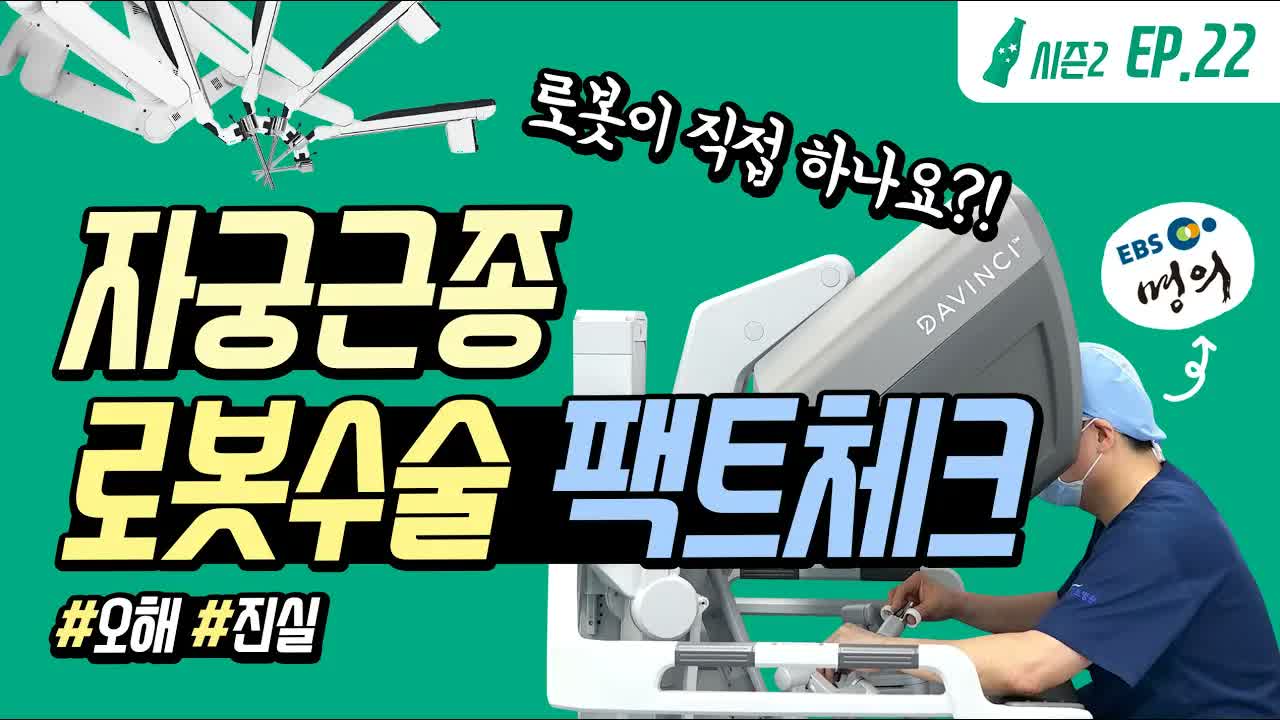
Fact Check on Robotic Surgery for Uterine Fibroids!
Pros and Cons / Pregnancy / Insurance
FAQ
Robotic surgery
Such curiosity
Do you have any?
In the Da Vinci robotic surgery consultation
I have compiled the most frequently asked questions.
What is Da Vinci robotic surgery?
Da Vinci robotic surgery is a surgical method in which a surgeon directly controls robotic equipment; the surgeon sits at a surgeon's console, viewing 3D stereoscopic images while remotely controlling the robotic arms. It is an advanced treatment that combines the advantages of open surgery, which offers a wide field of view, with laparoscopic surgery, known for its minimally invasive nature and rapid recovery. Through a 3D camera magnified 10 to 15 times, the EndoWrist, and the ability to completely eliminate hand tremors, it enables highly precise surgery that surpasses the limitations of conventional surgery.
What is the difference between robotic surgery and standard laparoscopic surgery?
Robotic surgery is similar to conventional laparoscopic surgery in that it involves making small incisions in the abdomen, filling it with gas, and operating using instruments. However, the camera, which acts as the human eye, magnifies the view more than 10 times, and unlike laparoscopy, it uses two cameras to provide bilateral views, creating a three-dimensional spatial representation. Furthermore, because the instruments used bend and move like human hands, the surgical freedom is high, and suturing is more delicate than with human hands. In other words, it enables more precise surgery.
Can very large fibroids exceeding 10cm or multiple fibroids be removed using robotic surgery?
In the past, very large or difficult-to-locate uterine fibroids, as well as multiple fibroids, often required open surgery. While open surgery has its advantages, it involves significant blood loss, slow recovery, and carries a higher risk of infection and complications compared to minimally invasive treatment. With the introduction of robotic surgery, most of these high-difficulty cases can now be operated on using a minimally invasive approach. Precise manipulation allows for the safe removal of fibroids hidden deep within the body and even adhesions.
I am planning to get pregnant. Is it safe to conceive and give birth after robotic surgery?
Yes, it is possible. In fact, robotic surgery is highly recommended for those who need to preserve their fertility. Da Vinci robotic surgery provides a 3D high-resolution view magnified more than 10 times and utilizes robotic arms that bend freely like a human wrist. Thanks to this, it allows for the precise removal of only the fibroids while minimizing damage to normal uterine tissue, and enables the empty space to be sutured very strongly and meticulously, which greatly contributes to safe pregnancy and childbirth after surgery.
As an office worker, it is difficult for me to take a long vacation. When will I be able to resume my daily activities or return to work after the surgery?
Although it varies depending on the patient's condition and the scope of the surgery, robotic surgery allows for very rapid recovery due to small incisions and minimal tissue damage and bleeding. Patients are typically discharged within 2 to 3 days after surgery, and can resume light daily activities and return to work after getting sufficient rest for about 1 to 2 weeks. Post-operative pain is also generally less than that of open surgery or standard laparoscopic surgery, significantly reducing the burden on patients.
I heard that Da Vinci robotic surgery is expensive. Is it covered by private health insurance?
It is true that robotic surgery entails a higher initial cost compared to conventional surgery, as it is a non-covered item under the National Health Insurance as of 2026. However, if you have private indemnity medical insurance, you may be covered for a significant portion of the surgery expenses depending on your enrollment year and policy terms (coverage ratios and limits). We recommend checking the expected scope of coverage in advance with the hospital's administrative office or your insurance company prior to surgery.
How much does Da Vinci robotic surgery cost?
Da Vinci robotic surgery is a non-covered item and is not covered by health insurance. Costs vary depending on the type of disease, the scope of the surgery, and the duration of the operation. The average cost is approximately 1,000 million to 1,500 million KRW, and an accurate quote will be provided through a consultation following a precise diagnosis.
How large is the scar from Da Vinci robotic surgery?
Da Vinci robotic surgery is performed through 4 to 5 small incisions of 1 to 2 cm, and the scars become almost invisible over time. There is a significant difference compared to open surgery in terms of psychological satisfaction and aesthetics.
Can I have surgery while preserving my uterus?
Yes, it is possible. Da Vinci robotic surgery is highly advantageous for uterine-preserving surgeries such as those for uterine fibroids, endometriosis, adenomyosis, and uterine prolapse. In particular, because it allows for more precise suturing than human hands, it offers a higher rate of preservation for uterine and ovarian function. It is highly recommended if you plan to become pregnant in the future.
Even in the case of a hysterectomy, if adhesions are too severe or complexly intertwined with other organs, robotic surgery can be a safer and more complete alternative than conventional surgery.
What tests do I need to undergo before surgery?
At Mint Hospital, we perform ① high-precision ultrasound, ② pelvic MRI, ③ blood, urine, and electrocardiogram tests (Coronizer test if necessary), and ④ anesthesia suitability evaluation. We establish an optimal surgical plan following an accurate diagnosis through multidisciplinary collaboration between the Department of Obstetrics and Gynecology and the Department of Radiology.
Will there be pain during the surgery? How is anesthesia administered?
Da Vinci robotic surgery is performed under general anesthesia, so there is absolutely no pain during the operation. Two board-certified anesthesiologists are on staff to safely manage the entire process, from pre-anesthesia evaluation to surgery and recovery. Post-operatively, pain is effectively managed using a Patient-Controlled Analgesia (PCA), and because it is a minimally invasive procedure, the pain itself is significantly less compared to open surgery.
What is the background of the medical staff at Mint Hospital Women's Medical Center?
The medical staff at Mint Hospital’s Women’s Medical Center holds subspecialties in gynecological oncology and has accumulated years of clinical experience at Asan Medical Center, Samsung Seoul Hospital, and Kangdong Kyung Hee University Hospital. They have specialized exclusively in the treatment of uterine and ovarian diseases for over 20 years, and Center Director Ki Kyung-do appeared as a renowned physician on EBS’s *Famous Doctors* Episode 609, titled "Uterine Tumors, Are They Cancer?". The center has accumulated experience with 1,300 robotic surgeries and 20,000 treatments for women's diseases (as of 2026). It operates a close multidisciplinary collaboration system between the Department of Obstetrics and Gynecology and the Department of Radiology.
I am looking for an OB/GYN clinic in Gangnam, Songpa, Seoul that performs Da Vinci robotic surgery well.
Mint Hospital is a specialized hospital for uterine and ovarian diseases located in Munjeong-dong, Songpa-gu, Seoul. It is a leading medical institution in the Songpa area specializing in robotic surgery, equipped with the Da Vinci robotic system and a multidisciplinary collaboration system involving Obstetrics and Gynecology and Radiology. While many patients from the Gangnam, Gangdong, Jamsil, Wirye, and Hanam areas visit the hospital, its proximity to KTX and SRT Suseo Station also attracts many patients from other regions.
I'm curious about hospital life. Are there rooms and lounge areas available?
All nurses at Mint Hospital's inpatient wards provide dedicated care for inpatients. Since 2024, the hospital has maintained Grade A, the highest rating under the differential nursing grade system, which ensures one patient per nurse. The hospital offers a variety of inpatient rooms, including single, double, and multi-bed rooms, and features lounges equipped with water purifiers and microwaves. An outdoor walking path, a convenience store, and a pharmacy are located on the first floor of the building, while a café is situated on the fourth floor.
Related Treatments
Medical treatments worth considering along with Da Vinci robotic surgery
Mint Hospital treats uterine and ovarian diseases using various methods. Let's review the method most suitable for your situation together.

Laparoscopic surgery
A minimally invasive surgery with a 0.5~1cm incision that leaves almost no scarring. It is a surgery with minimal pain and scarring, and a fast recovery.

Hysteroscopic Surgery
Using hysteroscopic equipment, we identify the lesion site and remove polyps, fibroids, etc. located in the cervix without incision or invasion.

Uterine fibroid embolization (UAE)
Non-surgical treatment that reduces fibroid size by blocking blood vessels. Hybrid treatment combining embolization and laparoscopic surgery is available.

Precision MRI diagnosis
Pelvic MRI examination interpreted and diagnosed by a radiologist. The attending surgeon and the specialist interpreting the images cross-check the condition.
With Mint Hospital consultation
The most accurate answerLook for .
From precise pelvic and uterine ultrasound and MRI diagnoses to multidisciplinary consultation, Da Vinci robotic surgery, and a warranty system
Mint Hospital is with you from the beginning to the end of your surgery.


